
ⓘ Some links on this page are affiliate links: if you book through them we may earn a small commission, at no extra cost to you. How we choose what we recommend.
Vietnam is one of the most beautiful, budget-friendly countries we've travelled to, and 99% of the people we met were genuinely kind. But within our first 48 hours we came close to losing thousands of rupees, and on day one we did lose 1 million dong. Here are the five tricks to know before you land.
 ▶ Watch on YouTube
1. The taxi note swap (this one got us)
When you land you become an overnight millionaire, with 100,000 and 500,000 dong notes everywhere. The problem: a 500,000 VND note (about ₹1,700) and a 20,000 VND note (about ₹70) are the same teal colour with the same clear plastic window. In a dark taxi they look identical.
How it happens: your fare is 80,000. You hand over a 500,000 note. The driver drops their hand below the dashboard, swaps it for a 20,000 and shows you: "No, no, only 20,000." You're jet-lagged, someone's honking, so you assume it was your mistake and pay again.
This happened to Prashant on our first evening in Hanoi, leaving Train Street with a cab that wasn't booked on Grab. It was dark and the driver kept the light off. While the rest of us were getting out, the driver swapped two 500,000 notes. We were 1 million dong short.
How to avoid it: add your zero-forex debit or credit card to Grab before you leave India. The fare is charged automatically and you never touch cash. If you must pay cash, hold the note up to the light, say "five hundred thousand" out loud, and avoid big notes.
2. The fake Grab at the airport
Touts walk alongside you outside arrivals, some even in Grab jackets: "Your driver cancelled, I'm your new Grab." Don't follow them. They'll quote a huge flat fare or use a rigged meter.
How to avoid it: never show your phone screen at the kerb. Walk to the official pickup zone and match the number plate and car model in the app.
To be fair, our very first airport driver (not via Grab) charged us less than Grab and even waited when we gave the wrong hotel address. Most people are honest. Just don't rely on luck.
3. The "shoe repair" near Hoan Kiem Lake
Someone drops to their knees and starts gluing your perfectly fine sneaker, then demands 400,000–500,000 VND.
How to avoid it: keep moving. If someone points at your feet, don't look down. Step around them and say a firm no.
4. The fruit-basket photo
Friendly vendors put their bamboo pole of fruit on your shoulder and a conical hat on your head for a photo, then block your path asking for 200,000 VND, or sell you fruit at five times the price.
How to avoid it: if someone hands you something you didn't ask for, don't touch it.
5. Fake bus and cruise offices
In the Old Quarter, some shops copy famous operators' names, sell you a "luxury limousine" or a "5-star cruise", then put you on an old bus with no AC.
How to avoid it: book trains, buses and cruises through verified operators. We booked everything on Klook (code SUNNSHANT for 10% off), with reviews and prices locked in before we landed.
Bottom line
Vietnam is warm, safe and hospitable. Know these five patterns and you can relax and enjoy the trip. Planning one? Start with our 10–12 day Vietnam itinerary.
Our picks for Vietnam
FAQs
Is Vietnam safe for tourists?
Yes. Vietnam is very safe and most people are kind and honest. The scams are concentrated in a few tourist hubs, and once you know the patterns they're easy to avoid.
How do I avoid taxi scams in Vietnam?
Use the Grab app with your card added, so the fare is charged automatically and you never hand over cash.
TAGS: VIETNAM · SCAMS · HANOI · SAFETY · GRAB · TRAVEL TIPS
💬 Questions & answers
NO QUESTIONS YET. ASK US ANYTHING ABOUT THIS TRIP.
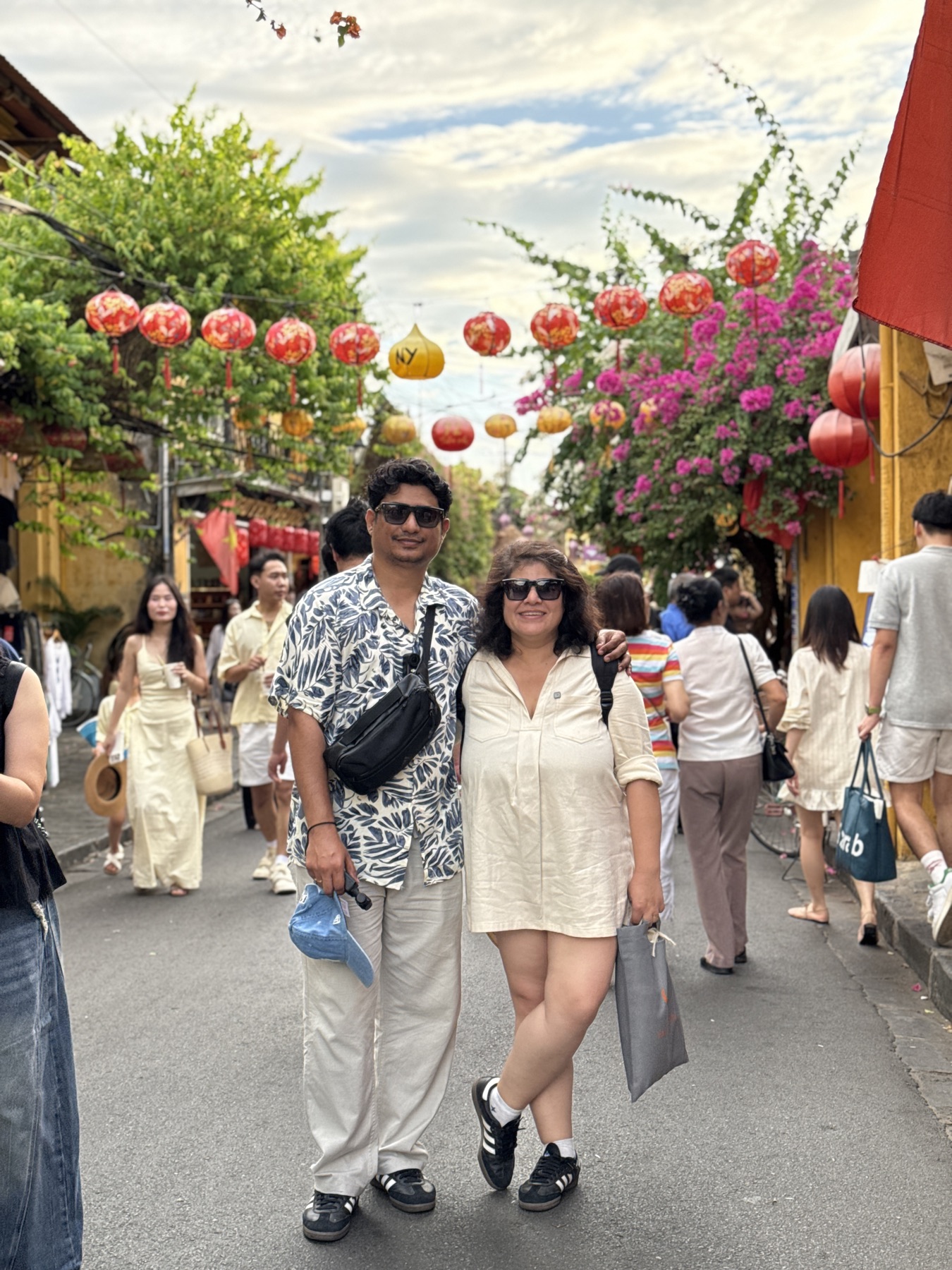
Prashant & Sunaina
A travel couple from Pune with Kashmiri Pandit × Maharashtrian roots, 8+ countries and counting. Every rupee shared.
Book a call with us

